


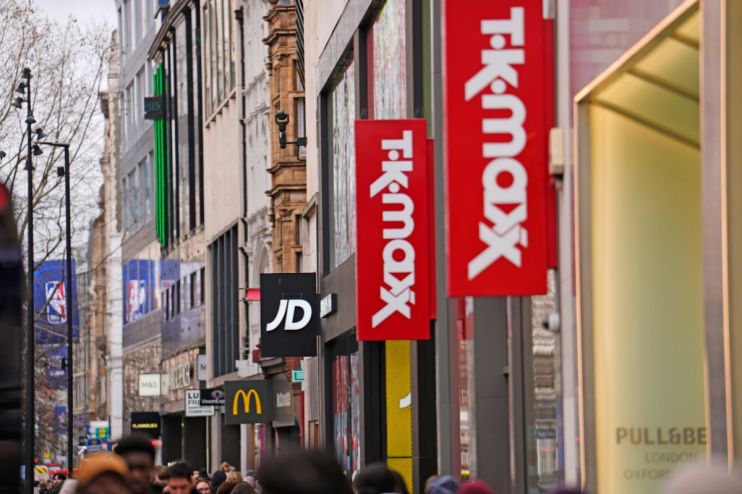
Retail sales plummeted by 1.3 per cent in April, as Brits cut back on spending amid increasing pressure from the war in Iran.
The huge fall in retail sales volumes in April was the largest since May last year, down from a 0.6 per cent rise in March, according to the Office for National Statistics (ONS).
Retailers are ramping up pressure on Rachel Reeves to cut energy bills and red tape as they face cost inflation from the war in Iran and weakening consumer confidence.
In the three months to April, retail sales rose by five per cent, driven by the cosmetic and telecoms sectors.
March’s jump in retail sales was driven by motorists stocking up on fuel to protect themselves from rising prices.
Fuel volumes fell in April, as some retailers suggested motorists were conserving fuel.
Consumer confidence fell to a two-year low in April, according to research firm GfK, which found that Brits are stockpiling cash for essentials.
Slowdown due to ‘falling spending confidence’
The British Retail Consortium (BRC) said the slowdown in retail sales in April – which it said suffered a three per year-on-year cent drop – is due to falling spending confidence.
Fears of a jet fuel crisis have caused some airlines to cancel thousands of flights and hike fares, and the BRC said this uncertainty over summer holidays is hitting Brits’ discretionary spending.
The earlier timing of Easter this year – spanning the end of March and the start of April, while it fell in late April last year – is also to blame for the April spending slowdown, the trade body has said.
Justin Parr, chief credit officer at trade finance provider Treyd, said: “UK retail businesses are contending with consumers whose spending power is under huge pressure from the rising cost of living.
“Broader economic data is now pointing towards higher inflation coming down the line along with increasing unemployment, meaning the operating environment is unlikely to get more benign any time soon.”
On Thursday, Rachel Reeves announced her “Great British Summer Savings” plan, intended to stem the rising cost of living caused by the Iran war and stimulate spending on retailers and other businesses.
The Chancellor said VAT would be cut for children’s food and access to entertainment, including museums and theme parks.
The plans, which Reeves said she will fund by closing a tax loophole used by energy companies, is set to cost the taxpayer £100m.
Last month, chief secretary to the Treasury Darren Jones warned the economic pain caused by the Middle East conflict could last for eight months after the war ends.