









| Updated:
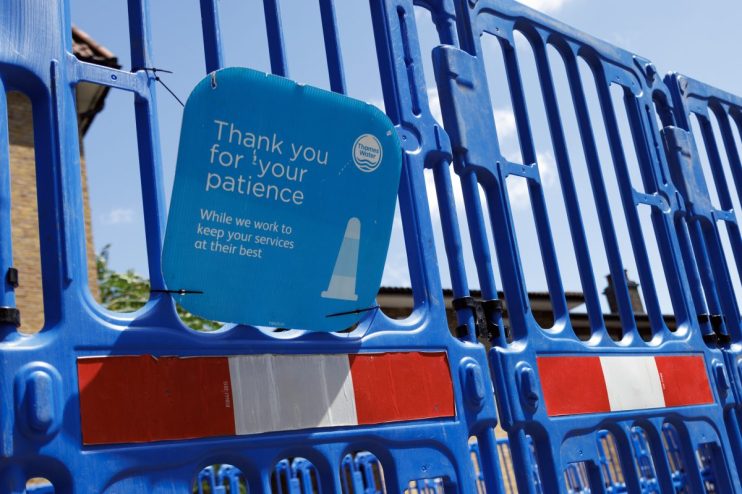
Thames Water will run out of money in a matter of months, but the government rejected a plan to save it. Now, Burnham’s talk of renationalisation is already scaring off investors and reducing the tax revenues available to fun public services, says Natascha Engel
Now that Keir Starmer has announced his departure, the question is when, not if Andy Burnham will succeed him.
There is much speculation about what a Burnham premiership will look like. Will he pursue popularity or make the difficult decisions necessary to help the UK’s economy grow?
When he walks into Number 10, national debt will still be at 93.8 per cent of GDP. At £2.9 trillion, we are paying £110bn a year in interest – the fourth highest budget item for the government behind welfare, health and education.
The Defence Investment Plan remains unpublished after the resignation of Defence Secretary John Healey because of his concerns that without proper funding, it “could make the country less safe”. Will Andy stick with lower defence funding, cut welfare or break the fiscal rules and borrow even more?
And now we need to add the future of our public utilities into the funding mix. Let’s ignore for a moment that Thames Water has been a text-book case of how not to run a public utility and look at what the next government’s options are.
The creditors had proposed writing off £9.4bn of Thames Water’s £20bn debt, investing £3.35bn and setting up a £6.55bn debt facility in return for government waiving around £900m in pollution fines over the next four years: all at no extra cost to the public purse.
Last week, government announced it had rejected that rescue package.
That rejection will have been popular with the electorate, 82 per cent of whom want to see water in national hands. But those voters don’t have to deal with the reality of nationalisation.
Government was not actually proposing full nationalisation. It would be unaffordable. The cost of nationalising Thames Water is around £10bn. The whole of the water sector is about £100bn.
Government is ill-equipped to run a complex utility
It would also mean government running a vast and complex utility which they are ill-equipped to do.
What they are proposing instead is a Special Administration Regime, an emergency measure where government appoints a manager to keep the water flowing while the taxpayer pays for the day-to-day running until Thames can be stabilised and sold.
For comparison, when energy supplier Bulb collapsed, the government ended up paying over £3bn before being able to sell it. And what if no-one wants to buy Thames Water? Why would a future owner be any more successful than the ones who own it today?
Andy Burnham has talked about a “more localised public control option” based on his Manchester bus network model, with a public body setting the fares, but with profits still going to the private operator.
A water company is not comparable to a bus service. It is a natural monopoly with enormous, creaking infrastructure in desperate need of repair and upgrading. Why would anyone invest in it without the prospect of a return?
But talk of nationalisation is already scaring off investment into our infrastructure – damaging youth employment and reducing the taxes available to support our public services.
Thames Water will run out of money in a matter of months. This is urgent.
The new Prime Minister’s decision on what to do with Thames Water will give us a clear indication of what Burnham’s premiership will look like: making difficult but unpopular decisions that will benefit voters in the long-run or taking populist decisions that will dent our economy, our credibility with private investors and do nothing to aid our creaking public utilities.
If he chooses to back the private investment plan and rescues Thames, he will signal to investors that the UK is open for business again. I’ve got everything crossed.
Natascha Engel is Chief Executive of Palace Yard and a former Labour MP