







| Updated:
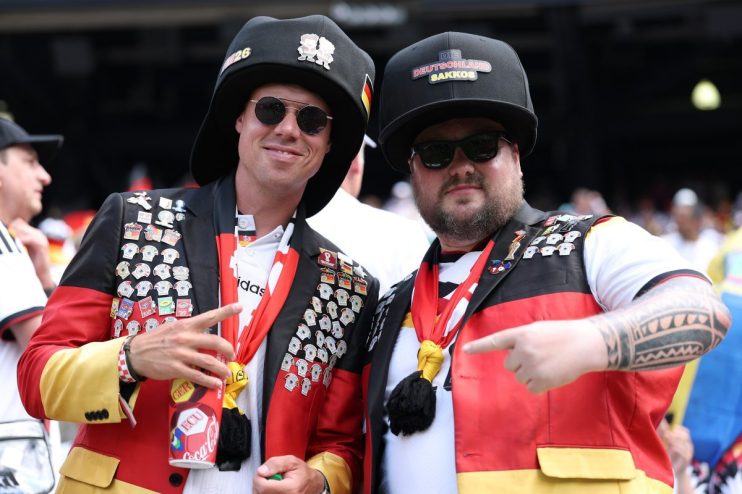
With the US experiencing football fever Alistair Watkins argues that we have seen this before, with sport following in the footsteps of film and music
When people think about European culture making its mark in the United States, they tend to think of music, film and television. From The Beatles to Harry Potter and One Direction, there have been several moments when a European phenomenon has crossed the Atlantic and become part of mainstream American life.
What receives less attention is the role sport can play in shaping culture. Yet there is growing evidence that a new wave of European influence is taking hold. Football for example is already the US’s fastest growing sport with 21m Americans playing regularly, placing it just behind basketball (24m) and light years ahead of ice hockey (2.1m). And with the US hosting the World Cup this summer, three Formula 1 races a year and the Olympics in 2028, it appears that traditionally “European” sports are set to break the stranglehold that the “big four” have had on American sports.
Taken individually, each of these events is significant but together, they are creating a level of exposure for European sports and brands that the US has never experienced before. More importantly, they are helping to reshape how Americans engage with sport and by extension, the culture that surrounds it.
Fading “European” and “American” lines
What makes this moment particularly interesting is that it reflects a wider shift in how sport is consumed. The distinction between “European” and “American” sport is becoming less clear with every passing year.
Football provides the strongest example. The arrival of global stars such as Lionel Messi, Heung Min-Son and Luis Suarez, following glittering careers in Europe, has transformed the profile of Major League Soccer, attracting global attention and introducing new audiences to the league. At the same time, American interest in European football continues to grow, with April’s Manchester City vs Arsenal game breaking the record for the most watched Premier League game in US history.
Ownership trends tell a similar story. The 2025/2026 Premier League had eleven clubs with American owners, many of whom also have interests in US franchises such as the Kroenkes, who own Arsenal as well as the LA Rams and Denver Nuggets. As investment, talent and audiences move more freely between markets, these sports increasingly feel like a global product rather than one defined by geography.
The same can be said of the NFL’s international expansion. Regular season games in London and elsewhere in Europe have helped grow American football overseas while exposing US franchises to new audiences and commercial opportunities. Rather than sport flowing in one direction, there is now a genuine exchange taking place.
Popular culture reflects that shift too with the success of Ted Lasso demonstrating that stories rooted in English football can resonate with mainstream American audiences. As a result, we’re reaching a point where the audiences, owners, sponsors and media ecosystems are more interconnected than ever before.
What does this mean for brands looking to enter the US?
In the World Cup’s case, major sporting events have always offered a route into new markets, but football’s growing popularity in the US gives European brands a particularly powerful platform through which to connect with American consumers.
There are multiple ways to activate around the sport. Brands can align themselves with national teams to invoke a sense of patriotic pride. Alternatively, they could partner with players or local organisers to create experiences around major events. Regardless, the most effective approaches begin long before the opening match as building that familiarity over time creates a stronger connection than appearing briefly when attention reaches its peak.
Take Tudor’s long-term partnership with David Beckham which initially positioned the brand within football culture. What really stands out is Tudor’s patience within their broader marketing strategy. They didn’t rush in and treat football as a short-term sponsorship opportunity, instead allowing their relationship to expand naturally alongside the profile of Inter Miami and the MLS more broadly.
This signifies why it’s important that marketers understand that we are seeing a broader cultural convergence between Europe and the United States, rather than just viewing it from purely a sporting or World Cup perspective. Yes, major sporting events are accelerating that process but they aren’t the sole reason for it. Changes in media consumption, ownership structures and fan behaviour are all bringing the two markets closer together.
And that offers an abundance of opportunities for European brands looking to jump the pond and make their name in the US. It just depends on if they recognise that the real opportunity lies in tapping into the culture surrounding sport rather than necessarily sport itself.
Alistair Watkins is the founder and chief executive of marketing agency Influence Sports and president (North America) of sport and entertainment agency Mongoose