





UK banks’ stock prices are being slapped with a political risk premium, City analysts have warned, as turmoil in Downing Street threatens to rock the sector.
The FTSE 350 bank index has had a choppy start to the year with financial stocks facing a hammering from the Iran war as investors trimmed their equities exposure.
The index – which is mainly driven by top constituents HSBC, Lloyds, Natwest, Barclays and Standard Chartered – is up eight per cent for the year following on from a whopping 60 per cent gain last year, as FTSE 100 banks enjoyed a blistering rally.
But analysts are warning this momentum could be capped as banks are hit by the wobble in Westminster with a possible change in Prime Minister.
“The dangers are that a new political leadership team could see the banks as a ripe target for higher taxes and that regulatory reforms would be stalled,” John Cronin, banking analyst at Seapoint Insights, told City AM.
Rachel Reeves has attempted to curry favour with the City through a batch of reforms aimed to boost the financial services industry. The Chancellor’s recent efforts included a shake-up of the ring-fencing regime launched in the King’s Speech.
Banks were also spared from Reeves’ two tax-raising Budgets, but mounting pressures on the Treasury purse and a new leader threaten to put the sector firmly in the firing line.
Banks could be ‘front and centre’ with Burnham in No10
William Howlett, equity analyst at Quilter Cheviot, told City AM: “We think the marginal buyer may be reluctant to allocate further to UK domestic banks against the backdrop of increased political uncertainty and the potential for a leadership contest.”
Lloyds is sitting at a gain of around four per cent for the year-to-date after recovering some losses made from Iran war-fuelled sell-off. Barclays is broadly flat for the year, whilst Natwest is down five per cent.
Banks were among the stocks targeted as investors trimmed their exposure to economically sensitive equities as fears grew around the impact of the crisis in the Middle East. Whilst some reprieve has been brought forward from a peace deal in the region, banking stocks still face a battle on the domestic front.
On the road to last year’s Autumn Budget, banks share prices were taken on a tailspin amidst back-and-forth briefings and lobbying calls for a tax hike. The dramatic see-sawing of stock prices laid bare the sensitivities of the sector to domestic policy.
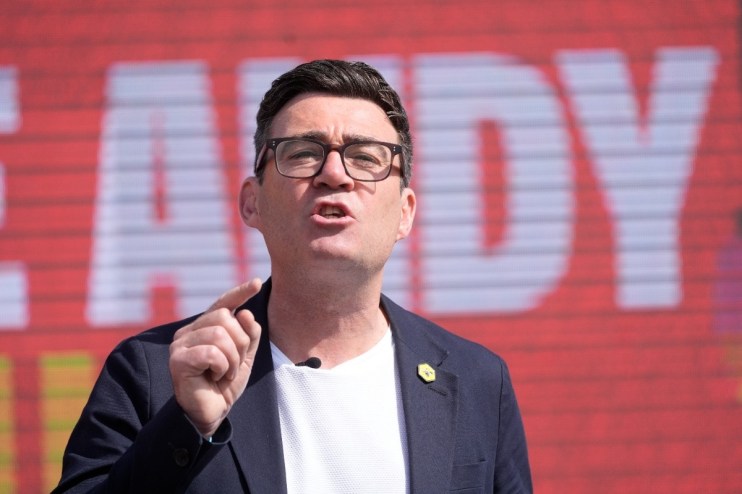
This week, Andy Burnham will contest the Makerfield by-election, where he, should he be successful, is expected to kick off his bid for the premiership.
“Banks may well be front and centre if/when Burnham wins in Makerfield,” Chris Beauchamp, chief market analyst at IG, told City AM.
Though he added there was no “definite possibility” due to the “harsh realities” of the UK’s finances.
Former Transport secretary Louise Haigh – who is reported to be a key player in the behind-the-scenes of Burnham’s campaign – chairs the Labour tribune group that earlier this year called for less “caution” on fiscal policy and the introduction of wealth taxes.
Beauchamp said: “A tax and spend approach to appease the left of the Labour Party is unlikely to win him friends in bond markets”.
After jitters raced across gilt yields on Burnham’s participation in the by-election, reports emerged the Manchester Mayor would stick to the government’s fiscal rules, should he take the helm. It follows previous comments from the former Leigh MP that Britain was “in hock to the bond markets” as he called for “business friendly socialism”.
Bank bosses lash out at UK hostility
Howlett said investor hesitance around UK banks comes “despite more encouraging trends in underlying activity, particularly in corporate lending”.
Lending to small and medium-sized businesses rose 16 per cent year-on-year to £5.3bn in the first quarter of 2026, according to UK Finance. This marked a post-pandemic high.
But banks are also being viewed as “ripe” for a cash raid after upgrading their income forecast on the back of an elevated interest rate path.
Lloyds said it expects net interest income to now be north of its previous estimate of £14.9bn, as it pencilled in the first interest rate cut for 2027.
Banks have been outspoken on the outsized rate the industry faces in the UK. City banks face a sector-specific levy and a surcharge that sits on top of corporation tax as well as VAT, property taxes, national insurance and other taxes levied on businesses.
A study from banking industry body UK Finance and PwC revealed last year London lender’s total tax rate rose 0.6 per cent to 46.4 per cent in 2025. This dwarfed that of overseas rivals, with New York remaining unchanged at 27.9 per cent – almost two-thirds below London.
The boss of Santander, which is headquartered in Spain, hit out at Britain’s tax regime in an interview last week.
“The question is, why single out the banks in particular and impose additional taxes?,” Ana Botín argued.
JP Morgan boss Jamie Dimon – one of the world’s most bankers – revealed plans for a £3bn square feet tower in Canary Wharf last year, which is projected to inject as much as £10bn over the next six years into the local economy.
The announcement came amid an influx of investment plans from City banking giants after skirting a tax raid in the Autumn Budget.
Dimon was asked whether plans would be reviewed in light of the upheaval in Westminster, to which he said: “Not political instability but if they become hostile to banks again, yes”.