


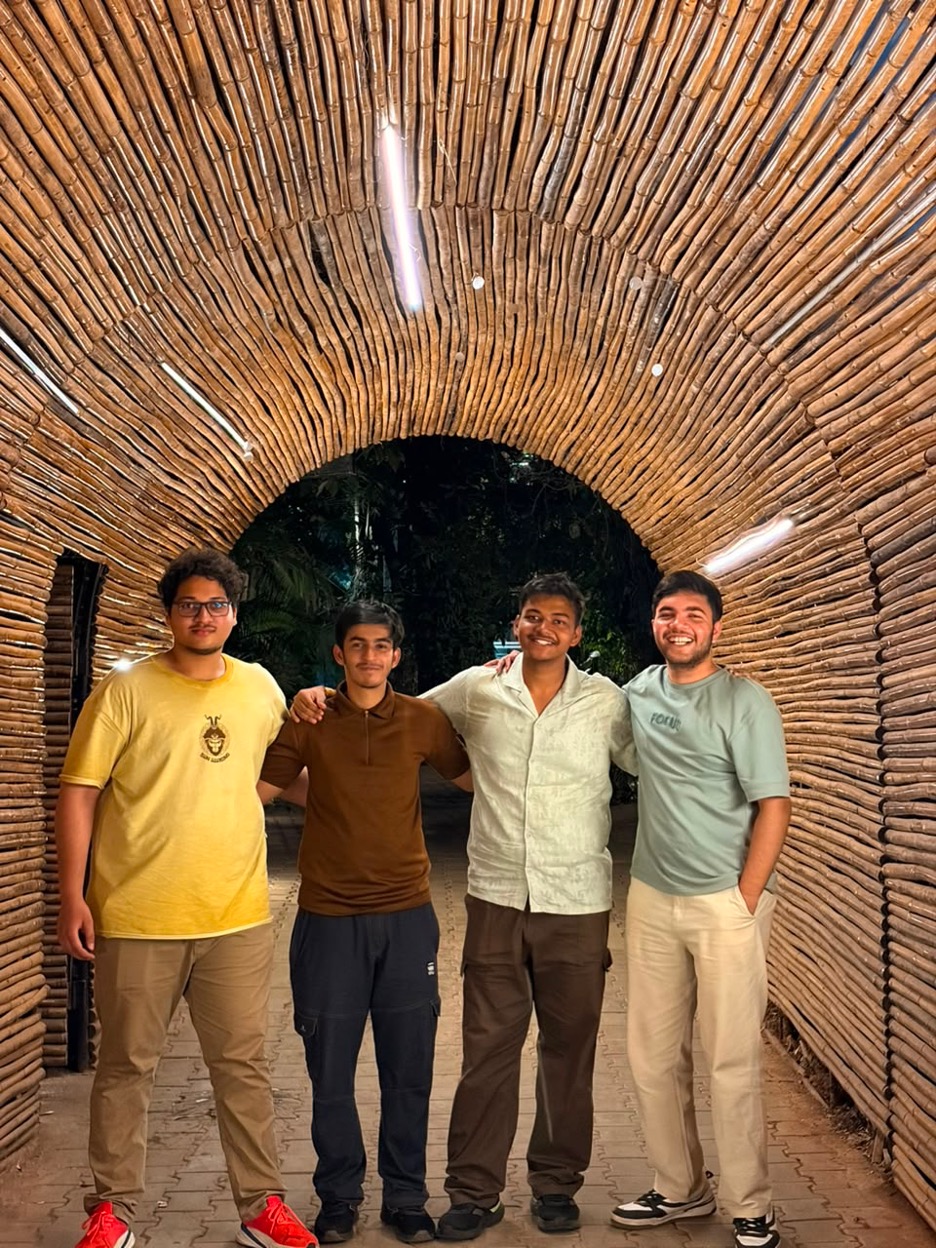
 This post was authored by Aaryan Naithani, a software engineer intern on the Storage Team.
I used to think asking too many questions would make me look unprepared. Ironically, not asking them slowed me down far more.
Early in my internship, I found myself in unfamiliar territory. New tools, new systems, and a constant need for access, permissions, and guidance. Like most people starting out, I didn’t want to bother anyone. At the same time, I did not yet understand how to ask questions the right way.
My first real learning moment came unexpectedly. I had a doubt about accessing an internal learning resource, and without thinking much, I reached out on a Saturday. : Weekends are not meant for work.
Honestly, I was kind of embarrassed. The last thing I wanted was to come across as someone who didn’t understand or respect basic boundaries. But once I sat with the feeling a little longer, another began to take its place — relief. People talked about work-life balance during onboarding, but I wrote it off as something that companies are supposed to say. I thought being responsive on weekends was part of proving myself, but that interaction made me realize this is Cisco’s culture. I didn’t have to figure it out on my own or give up my time off to show initiative.
However, I still had a lot to learn. A few weeks later, I started working on a project involving Cisco Intersight. It was a complex shift from deprecated, legacy frameworks to a powerful, modern platform, and during the first sprint, I felt overwhelmed. I was struggling silently with how to structure a YAML file for server profile templates and had been trying to piece it together from scattered documentation for two days.
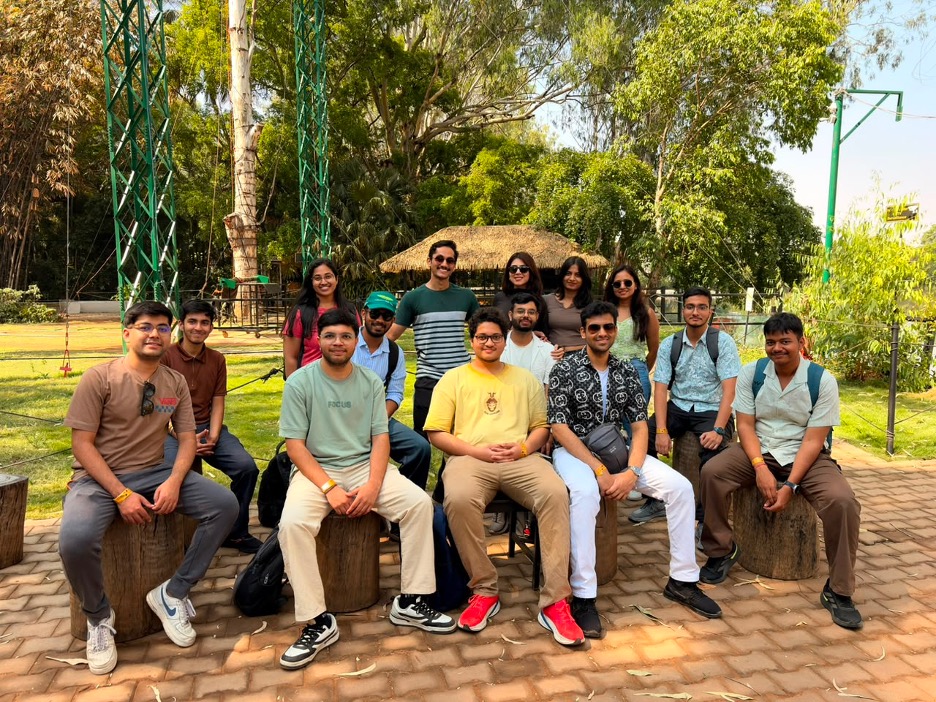 The shift really clicked for me during a team sync about midway through that first sprint. In that meeting, a senior engineer raised his hand and asked something I will never forget. “Before we move on, can someone walk me through why we chose this? I want to make sure I am not missing something that is going to bite us later.” It was such a simple question, but the room paused. People started explaining, edge cases came up, and within ten minutes the team had caught a small inconsistency that would have caused issues downstream.
What struck me was not just the question, but everything around it. He was easily one of the most experienced people in that meeting, yet he had no hesitation in pausing the conversation to make sure he understood. Nobody thought less of him for it. If anything, the room respected him more. That moment reframed everything for me.
Looking back, those small moments turned out to be important turning points for me. I saw that asking questions wasn’t just about filling a knowledge gap; it was a tool for better collaboration and clearer thinking. This change has been more meaningful than I expected. My days feel less anxious. I used to spend a lot of energy worrying about whether I was asking too much or too little, asking the right person, and deciding if I should continue trying to figure something out alone before reaching out. Now, I move through that uncertainty much faster — I attempt, document what I have tried, and then I ask. Now, I get unblocked sooner, my conversations with teammates are sharper, and I leave each interaction having actually learned something instead of just getting an answer. My code reviews have improved too. I ask better questions about design choices, and I receive better feedback in return because the people reviewing my work can see how I am thinking versus just where I am stuck.
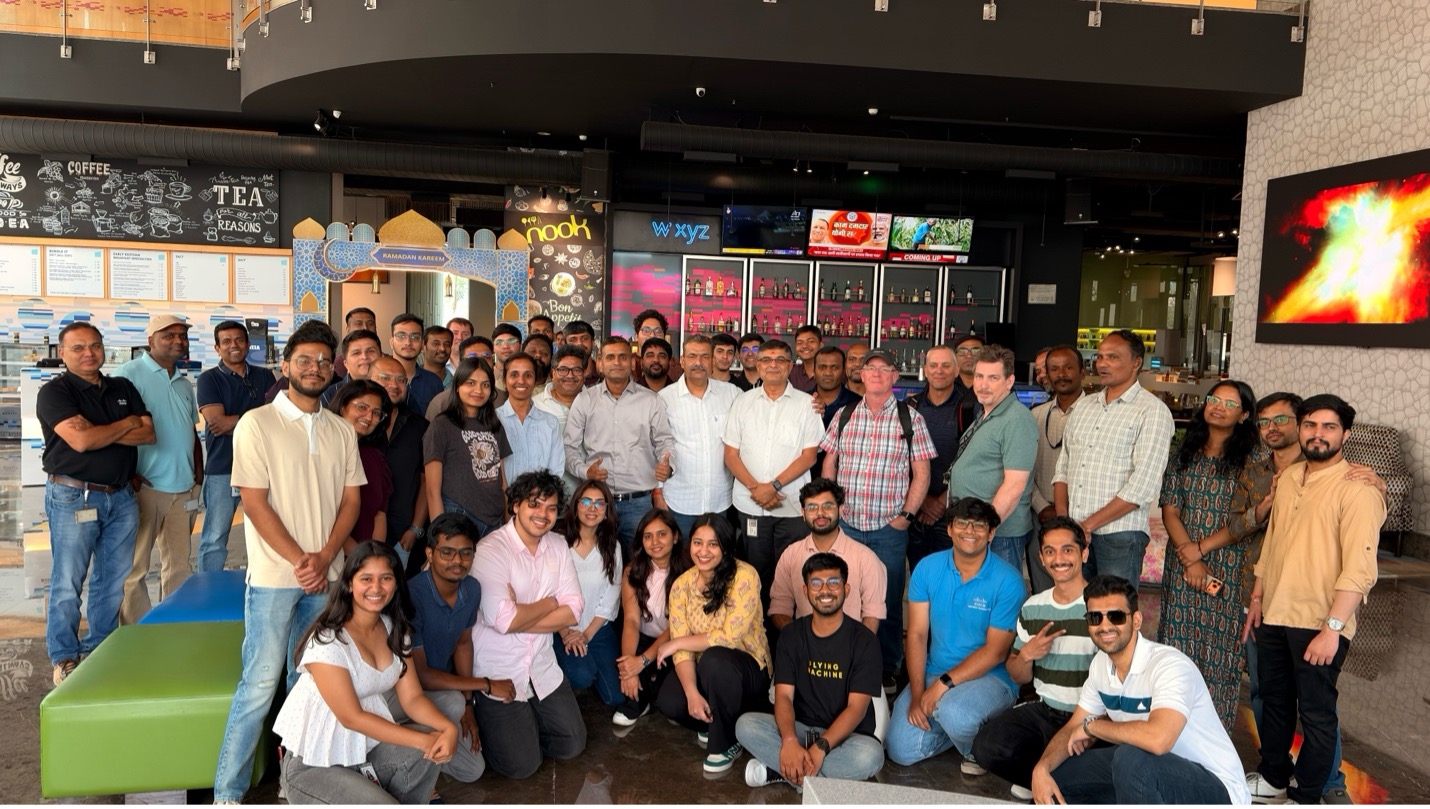 This experience has also completely changed how I respond when someone else reaches out to me. The first thing I try to do is remember exactly how I felt in those early weeks — the hesitation before hitting send, the worry that the question might sound basic, and the quiet fear of taking up someone’s time. So, I try to make sure they never feel any of that with me. I reply quickly, even if it is just to say I will get back to them in an hour. I never make them feel like the question was small. If they are stuck, I ask what they have tried so far, not to test them, but to help them see how much they have already worked through. Most of the time, they realize they were closer to the answer than they thought. I’m proud to be part of a culture where we don’t just solve problems — we help each other grow. That’s why I try to make sure no one else feels that same hesitation I did.
If there is one thing I would pass on, it is this: do not hesitate to ask questions, but take the time to ask them well. Because the difference between someone who struggles silently and someone who grows consistently is not intelligence. It is how they seek help. And once you get that right, everything else begins to fall into place.
Ready to join a team that values your growth as much as your technical skills? Explore open roles.
此内容由惯性聚合(RSS阅读器)自动聚合整理,仅供阅读参考。 原文来自 — 版权归原作者所有。